
10 Best Solana Wallets in 2026
Managing your cryptocurrency safely starts with choosing the right wallet. While Solana is known for fast transactions and low fees, your experience also depends on the wallet you use. A good wallet should protect your assets, support staking, work smoothly with decentralized applications (dApps), and make sending or receiving SOL simple even if you’re completely new to crypto.
If you’re searching for the Best Solana Wallet, you’ve probably noticed there are dozens of options available. Some focus on security, while others are designed for NFT collectors or DeFi users. This guide compares the leading wallets in 2026, explains where each one shines, and highlights the situations where it makes the most sense. Whether you’re holding a small amount of SOL or actively using the Solana ecosystem every day, you’ll find an option that fits your needs.
Key Takeaways
- The Best Solana Wallet depends on how you use your cryptocurrency.
- The maximum level of security is offered by hardware wallets.
- Software wallets are faster and more convenient for daily use.
- Some wallets are better for staking SOL, while others excel for NFTs and DeFi.
- Your recovery phrase should never be shared with anybody and should always be kept offline.
What Is a Solana Wallet
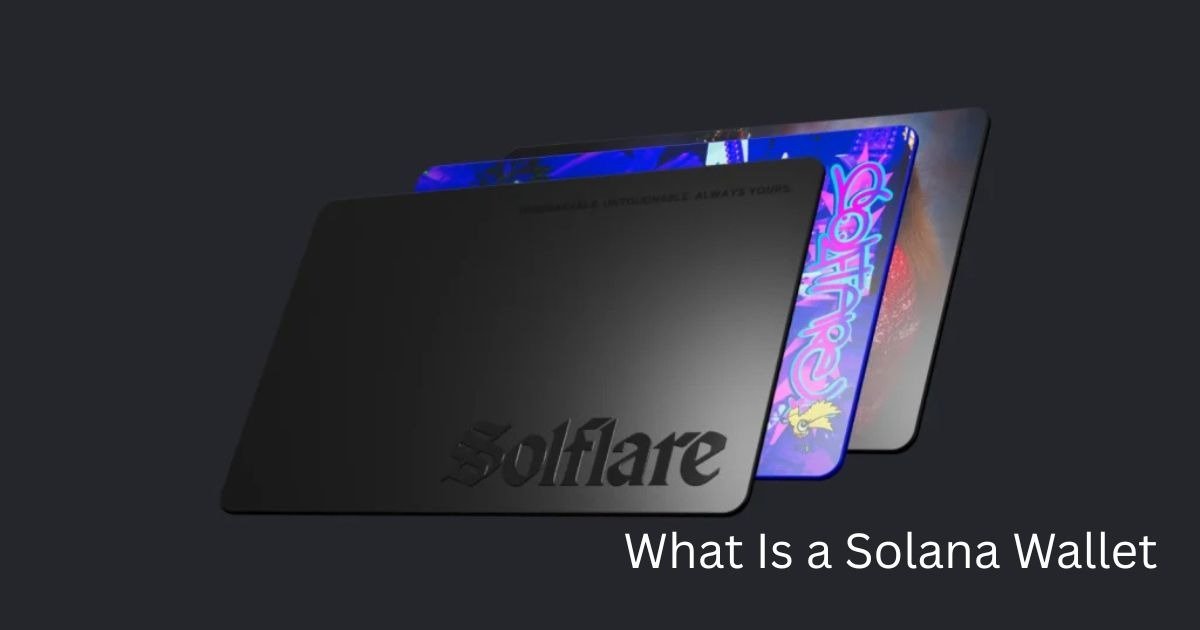
A Solana wallet is a software application or hardware device that stores the private keys needed to access your SOL and other assets on the Solana blockchain. Contrary to popular belief, wallets don’t actually hold your cryptocurrency. Instead, they give you secure access to assets that exist on the blockchain.
Modern wallets do much more than send and receive coins. Most now support:
- SOL staking
- NFT storage
- Web3 applications
- Token swaps
- Portfolio tracking
- DeFi platforms
The right crypto wallet should balance security with convenience. Someone who trades frequently may value speed and accessibility, while long-term investors usually prioritize stronger protection through hardware wallets.
How We Selected the Best Solana Wallets
Rather than ranking wallets solely by popularity, we looked at the factors that matter most to everyday users.
Security
Security remains the most important consideration. We preferred wallets with strong encryption, open development practices, regular updates, and good reputations within the crypto community.
Ease of Use
A wallet shouldn’t require technical knowledge just to complete a transaction. Simple navigation, clear layouts, and easy backup options make a significant difference, especially for beginners.
Staking Support
Many users want to earn passive rewards from their SOL holdings. Wallets offering built-in staking received higher consideration because they simplify the entire process.
NFT & Web3 Compatibility
The Solana ecosystem continues to expand beyond payments. NFT marketplaces, decentralized exchanges, and blockchain games all require wallets that integrate smoothly with Web3 applications.
Community Trust
Millions of downloads don’t automatically make a wallet trustworthy. We also considered long-term reliability, developer activity, and overall reputation within the Solana ecosystem.
1. Phantom Wallet
Phantom Wallet is typically among the first names cited when someone asks seasoned Solana users for recommendations, and for good reason.
Designed specifically for Solana, Phantom has built a reputation for combining simplicity with powerful functionality. The interface feels polished without becoming overwhelming, making it suitable for both newcomers and experienced crypto users.
It just takes a few minutes to set up the wallet. The maximum level of security is offered by hardware wallets.Your recovery phrase should never be shared with anybody and should always be kept offline.
Once installed, users can store SOL, manage SPL tokens, connect to decentralized applications, collect NFTs, and stake Solana directly from the wallet.
Another advantage is its broad ecosystem support. Phantom works with many popular Solana marketplaces, DeFi platforms, and browser-based Web3 applications without requiring complicated setup.
Why Choose Phantom?
- Clean interface
- Built-in staking
- Excellent NFT support
- Fast transaction approvals
- Strong Web3 compatibility
Potential Drawbacks
- Primarily designed around the Solana ecosystem
- Browser extensions require careful security practices
2. Solflare Wallet
Solflare Wallet has gained a devoted following among specialized Solana wallets because of its emphasis on long-term asset management and staking.
Unlike wallets that simply store cryptocurrency, Solflare includes detailed staking tools that allow users to compare validators and monitor staking performance more closely.
Its dashboard is clean and organized, making it easier to understand balances, rewards, and connected accounts without unnecessary clutter.
For users interested in staking SOL over several months or years, Solflare remains one of the strongest choices available.
Highlights
- Native Solana support
- Advanced staking controls
- NFT management
- Hardware wallet compatibility
- Browser and mobile versions
Things to Consider
- Some advanced staking options may feel unfamiliar to first-time users.
3. Backpack Wallet
Backpack is one of the newer wallets gaining attention across the Solana ecosystem.
Instead of trying to copy existing wallets, Backpack focuses on digital identity, secure application access, and a smoother Web3 experience.
Users that frequently engage with NFT marketplaces and decentralized applications will find it useful.
Although still expanding its ecosystem, Backpack has become popular among active Solana users because of its modern design and ongoing feature development.
Strengths
- Excellent Web3 integration
- User-friendly interface
- NFT-friendly
- Regular feature updates
Weaknesses
- Smaller ecosystem than older wallets
4. Ledger Nano X
Software wallets are convenient, but hardware wallets remain the safest option for storing cryptocurrency over long periods.
The Ledger Nano X stores private keys offline, making them significantly harder for attackers to access.
When paired with appropriate wallet apps, Ledger provides strong security, allowing users can interact with the Solana ecosystem and stake assets.
Many experienced investors choose Ledger for larger portfolios because security takes priority over convenience.
Best Features
- Offline private key storage
- Bluetooth connectivity
- Wide cryptocurrency support
- Excellent security reputationvrvf
Limitations
- Requires purchasing a hardware device
- Less convenient for frequent transactions
5. Trust Wallet
Users who own more than just Solana find Trust Wallet appealing because it supports several blockchain networks.
Instead of managing separate wallets for every cryptocurrency, users can keep Bitcoin, Ethereum, Solana, and many other assets in one application.
The wallet also includes browser support for decentralized applications, making it useful for exploring the wider Web3 ecosystem.
Its straightforward interface helps beginners get started quickly while still offering enough flexibility for experienced crypto users.
Why Users Like It
- Supports many cryptocurrencies
- Mobile-friendly design
- Web3 browser
- Simple backup process
Possible Downsides
- Some advanced Solana-specific features are more limited compared to dedicated Solana wallets.
6. Exodus Wallet
Exodus has earned a strong reputation among crypto users who value simplicity. While it isn’t built exclusively for Solana, it supports SOL along with hundreds of other cryptocurrencies, making it a practical choice for investors who hold diversified portfolios.
The wallet’s polished interface is one of its biggest strengths. Sending assets, viewing balances, and managing multiple cryptocurrencies feels intuitive even for someone using a wallet for the first time. Exodus also integrates with the Trezor hardware wallet, adding another layer of protection for users storing larger amounts of crypto.
If convenience matters more than advanced staking features, Exodus is worth considering.
Why Choose Exodus?
- Supports hundreds of cryptocurrencies
- Attractive and beginner-friendly interface
- Desktop and mobile applications
- Compatible with Trezor hardware wallets
Keep in Mind
- Fewer Solana-specific staking features than dedicated wallets.
7. Atomic Wallet
Atomic Wallet is another multi-chain crypto wallet that supports Solana alongside hundreds of digital assets. It appeals to users who want to manage different cryptocurrencies without switching between several applications.
The wallet allows users to exchange supported assets within the app, making portfolio management more convenient. It also offers staking for selected cryptocurrencies, although available assets and reward rates vary over time.
Its private-key management gives users full ownership of their funds, making it a solid option for those who prefer self-custody.
Highlights
- Multi-currency support
- Built-in exchange
- Self-custody wallet
- Available on desktop and mobile
Limitations
- Some exchange fees may be higher than external platforms.
8. Coin98 Wallet
Coin98 Wallet has grown beyond a simple storage solution. It now offers access to decentralized finance (DeFi), token swaps, NFTs, and multiple blockchain networks from a single application.
For Solana users interested in exploring DeFi opportunities, Coin98 provides a convenient gateway without requiring multiple wallets.
Its interface contains more features than beginner-focused wallets, but experienced users often appreciate the additional flexibility.
Best Features
- Cross-chain compatibility
- Built-in decentralized exchange
- NFT support
- Mobile and browser versions
Drawbacks
- Can feel overwhelming for first-time users.
9. SafePal
SafePal combines software and hardware wallet solutions, giving users flexibility depending on how they prefer to store digital assets.
The software wallet is suitable for daily transactions, while the hardware version provides stronger offline protection for long-term holdings. This combination makes SafePal attractive for users who gradually expand their crypto portfolios.
Support for multiple blockchain networks also means users can manage Solana alongside many other cryptocurrencies without maintaining separate wallets.
Advantages
- Hardware and software wallet options
- Multi-chain support
- Self-custody security
- User-friendly mobile app
Disadvantages
- Hardware wallet requires an additional purchase.
10. Math Wallet
Numerous blockchain ecosystems, including Solana, are supported by Math Wallet, which has been a part of the blockchain industry for a number of years.
Its broad compatibility makes it particularly useful for users who regularly interact with decentralized applications across different networks. Besides storing assets, Math Wallet offers staking features, NFT support, and Web3 connectivity.
Although its interface isn’t as polished as Phantom or Solflare Wallet, it remains a capable choice for experienced users who value flexibility.
Key Benefits
- Supports many blockchain networks
- Web3 integration
- Staking support
- Browser extension and mobile app
Potential Downsides
- Interface has a steeper learning curve.
Comparison Table
| Wallet | Best For | Staking | NFT Support | Hardware Support |
| Phantom | Everyday Solana users | ✅ | ✅ | Ledger |
| Solflare | Long-term SOL staking | ✅ | ✅ | Ledger |
| Backpack | Web3 & NFTs | ✅ | ✅ | Limited |
| Ledger Nano X | Maximum security | Via partner apps | ✅ | Native |
| Trust Wallet | Multi-chain users | Limited | ✅ | No |
| Exodus | Beginners | Limited | Yes | Trezor |
| Atomic Wallet | Portfolio management | Selected assets | Limited | No |
| Coin98 | DeFi users | Yes | Yes | No |
| SafePal | Security-conscious users | Limited | Yes | SafePal Hardware |
| Math Wallet | Advanced users | Yes | Yes | Ledger |
Pros and Cons
Pros
- Strong security options for every type of investor.
- Multiple wallets support Solana staking.
- NFT and Web3 compatibility continues to improve.
- Both free software wallets and premium hardware wallets are available.
- Users can choose between convenience and maximum security.
Cons
- Some wallets require technical knowledge.
- Staking rewards vary by validator and network conditions.
- Hardware wallets involve an upfront cost.
- Not every wallet supports every Solana feature.
How to Choose the Best Solana Wallet
The Best Solana Wallet depends on how you plan to use your cryptocurrency.
If you mainly hold SOL for the long term, security should be your highest priority. A hardware wallet like Ledger provides better protection because your private keys remain offline.
For regular transactions, NFT collecting, or interacting with DeFi platforms, Phantom and Solflare Wallet offer a smoother experience with native Solana support.
If your portfolio includes several cryptocurrencies beyond Solana, a multi-chain crypto wallet such as Trust Wallet or Exodus may be a better fit.
Before making a decision, ask yourself:
- Will you stake SOL regularly?
- Do you collect NFTs?
- Will you use decentralized applications?
- Do you prefer convenience or maximum security?
- Do you need support for multiple cryptocurrencies?
Answering these questions makes choosing the right wallet much easier.
Security Tips for Solana Wallet Users
Protecting your wallet is just as important as selecting one.
Follow these best practices:
- Store your recovery phrase offline.
- Never share your private keys.
- Enable biometric authentication and two-factor authentication where available.
- Verify wallet downloads from official websites.
- Double-check wallet addresses before confirming transactions.
- For larger assets, think about utilizing a hardware wallet. .
- Keep wallet software updated to receive the latest security improvements.
Even the Best Solana Wallet cannot protect funds if recovery phrases are exposed or downloaded from unofficial sources.
Ready to Secure Your SOL?
Choosing the right wallet today can save you from security problems tomorrow. Compare your options, start with a trusted wallet, and always back up your recovery phrase before transferring fun
Conclusion
Finding the Best Solana Wallet isn’t about choosing the wallet with the longest feature list—it’s about selecting one that matches how you use your cryptocurrency. A beginner buying SOL for the first time has different needs than someone actively trading NFTs or exploring decentralized finance.
If simplicity is your priority, Phantom is an excellent place to start. Long-term investors who want detailed staking controls may prefer Solflare, while Ledger remains one of the strongest options for protecting larger portfolios. Multi-chain wallets like Exodus and Trust Wallet also deserve consideration if you manage assets across several blockchains.
Whichever wallet you choose, remember that your security habits matter just as much as the software itself. Back up your recovery phrase, download wallets only from official sources, and stay informed about new security practices. Taking these steps will help you use the Solana ecosystem with greater confidence in 2026 and beyond.
As your Solana portfolio grows through staking rewards, NFT trading, or regular token transactions, it’s also important to understand how these activities may affect your tax obligations. Keeping accurate records and learning about crypto tax rules can help you avoid costly mistakes in the future. If you’re interested in tax planning, check out our Florida crypto taxes guide for practical insights on reporting crypto transactions and managing your digital asset taxes efficiently.
FAQS
1. What is the Best Solana Wallet for beginners?
Phantom Wallet is widely recommended for beginners because it combines a clean interface with built-in staking, NFT support, and simple nvfavigation.
2. Is SolflarefMath Wallet has been part of the blockchain industry for several years and supports dozens of blockchain ecosystems, including Solana.
Wallet better thanvf Phantom?
Both are excellent choices. Phantom is easier for everyday use, while Solflare Wallet offers more advancHardware wallets provide the highest level of security. ved staking features for long-term SOL holders.
3. Are hardware wallets safer than software wallets?
Yes. Hardware wallets store private keys offline, making them significantly more resistant to hacking attempts than internet-connected w/best-solana-wallet-2026
allets.
4. Can I stake SOL directly from my wallet?
Yes. Several wallets, including Phantom and Solflare, allow users to stake SOL directly through the application.
5. Which Solana wallet is best for NFTs?
Phantom and Backpack are among the most popular choices for NFT collectors because they integrate smoothly with major Solana marketplaces.

0 Comments